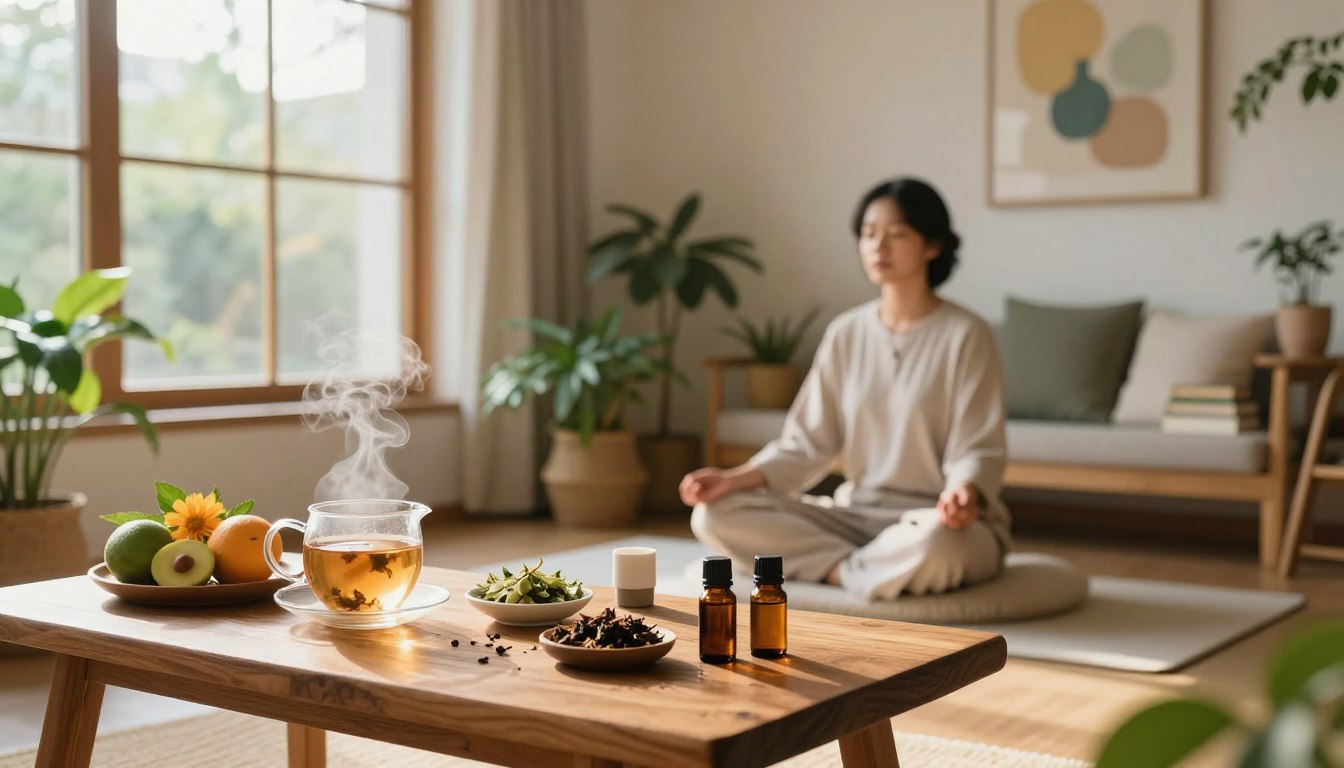
Are you truly nourishing your mind, body, and soul? In today’s fast-paced world, it’s easy to get caught up in the hustle and bustle of daily life and forget to prioritize our own well-being.
The concept of self-care as nourishment is more than just a trend – it’s a holistic approach to living a balanced and fulfilling life. By adopting this philosophy, you can cultivate a deeper understanding of your needs and learn to prioritize your own care.
By embracing holistic self-care, you can experience a profound impact on your overall well-being. This approach encourages you to look beyond surface-level solutions and instead, focus on nurturing your entire being.
Key Takeaways
- Understand the concept of self-care as nourishment
- Learn how to prioritize your well-being
- Discover the benefits of holistic self-care
- Cultivate a deeper understanding of your needs
- Embrace a balanced and fulfilling lifestyle
Understanding Self-Care Beyond the Surface
In today’s fast-paced world, self-care is not just a luxury, but a necessity for well-being. As we navigate the complexities of modern life, it’s essential to understand that self-care goes beyond mere indulgence or pampering. It’s about cultivating practices that truly nourish our mind, body, and soul.
What Makes Self-Care Truly Nourishing
Truly nourishing self-care practices are those that address our deeper needs, rather than just providing temporary relief or pleasure. These practices are rooted in a genuine understanding of what our mind, body, and soul require to thrive. For instance, a self-care routine that includes mindfulness, physical activity, and meaningful social connections can be far more nourishing than a day at the spa, although that too can have its place.
It’s about creating a balance that supports our overall well-being. This might involve setting boundaries, prioritizing rest when needed, and engaging in activities that bring joy and fulfillment. The key is to move beyond superficial self-care practices and adopt a more holistic approach.
The Difference Between Indulgence and Nourishment
While indulgence can provide temporary happiness, it often falls short of providing long-term nourishment. Indulgence might involve overindulging in food, spending too much on luxury items, or engaging in other excessive behaviors. On the other hand, nourishment is about making choices that support our long-term health and happiness. It’s the difference between watching TV all day (indulgence) versus reading a book or practicing yoga (nourishment).
Understanding this distinction is crucial for developing a self-care routine that truly benefits our well-being. By choosing nourishing practices, we can enhance our resilience, improve our mental health, and foster a more positive relationship with ourselves and others.
Why Traditional Self-Care Advice Falls Short
Traditional self-care advice often focuses on surface-level activities like face masks, manicures, and relaxing baths. While these can be enjoyable and even beneficial, they don’t address the deeper issues that many of us face. They might not provide the tools or strategies needed to manage stress, anxiety, or other challenges.
Moreover, conventional self-care advice can sometimes feel like a one-size-fits-all solution, failing to account for individual differences in needs, preferences, and circumstances. A more personalized and thoughtful approach to self-care is needed, one that considers the unique aspects of our lives and promotes genuine nourishment.
The Self Care as Nourishment Philosophy Explained
Self-care is not just a luxury; it’s a fundamental aspect of a healthy, balanced life when viewed through the lens of nourishment. This philosophy emphasizes the importance of treating self-care as an essential part of daily living, rather than an occasional indulgence.

Core Principles of Nourishment-Based Self-Care
Nourishment-based self-care is grounded in several core principles that distinguish it from more superficial approaches to self-care. These include:
- Intentionality: Being deliberate and mindful in your self-care practices.
- Holism: Addressing the needs of the mind, body, and soul.
- Sustainability: Creating self-care routines that are maintainable in the long term.
Treating Your Well-Being Like Essential Nutrition
Just as our bodies require certain nutrients to function optimally, our overall well-being needs specific elements to thrive. This includes:
- A balanced diet that nourishes the body.
- Engaging in physical activities that promote health and vitality.
- Practicing mental and emotional self-care techniques to foster resilience.
By treating well-being like essential nutrition, we prioritize our health and create a foundation for a fulfilling life.
The Three Pillars: Mind, Body, and Soul
A balanced self-care practice is built on three foundational pillars: mind, body, and soul. Each of these elements plays a crucial role in our overall well-being.
| Pillar | Self-Care Focus | Examples of Practices |
|---|---|---|
| Mind | Mental clarity and emotional resilience | Meditation, journaling, reading |
| Body | Physical health and vitality | Exercise, healthy eating, sleep hygiene |
| Soul | Spiritual connection and purpose | Prayer, nature walks, creative expression |
By addressing each of these pillars, individuals can cultivate a comprehensive self-care practice that supports their overall well-being.
Step 1: Assess Your Current Nourishment Needs
The journey to nourishment begins with an honest assessment of your current state. Understanding where you are now is crucial for making positive changes in your self-care routine and reaping the self-care benefits.
Conduct a Personal Energy Audit
To assess your current nourishment needs, start by conducting a personal energy audit. This involves evaluating different aspects of your well-being.
Evaluate Your Physical Vitality
Begin by assessing your physical health. Ask yourself:
- How well do I sleep?
- What is my nutrition like?
- How often do I exercise?
Identifying areas where your physical vitality is lacking can help you understand how to improve it.
Check Your Emotional Reserves
Next, evaluate your emotional state. Consider:
- How do I manage stress?
- Do I have healthy emotional outlets?
- How do I nurture my relationships?
Understanding your emotional reserves can guide you in building stronger emotional well-being.
Measure Your Mental Clarity
Assess your mental state by asking:
- How well can I focus?
- Do I engage in mentally stimulating activities?
- How do I handle mental fatigue?
Improving mental clarity can significantly enhance your overall well-being.
Identify Your Depletion Patterns
After conducting your personal energy audit, identify patterns of depletion. Recognizing these patterns can help you address the root causes of your nourishment needs.
By understanding your current nourishment needs and identifying depletion patterns, you can take the first step towards a more balanced and nourished you, ultimately enjoying the numerous self-care benefits.
Step 2: Design Your Personalized Nourishment Plan
To truly nourish your entire being, it’s essential to create a customized plan that addresses your body, mind, and soul. This personalized approach to self-care allows you to focus on the areas that need the most attention, ensuring a balanced and sustainable path to well-being.
Body Nourishment Essentials
Nourishing your body is fundamental to overall health and involves several key practices. By incorporating these essentials into your daily routine, you can significantly enhance your physical well-being.
Movement Practices That Energize
Regular physical activity is crucial for maintaining energy levels and overall health. Engage in exercises that you enjoy, whether it’s walking, running, swimming, or dancing, to make movement a sustainable part of your routine.
- Try to incorporate at least 30 minutes of moderate-intensity exercise into your daily schedule.
- Experiment with different activities to find what works best for you and keeps you motivated.
Restorative Sleep Techniques
Adequate sleep is vital for physical recovery and mental rejuvenation. Implement relaxing bedtime routines to signal to your body that it’s time to sleep, such as reading, meditation, or a warm bath.
- Establish a consistent sleep schedule to regulate your body’s internal clock.
- Create a sleep-conducive environment by ensuring your bedroom is dark, quiet, and cool.
Nutrition and Hydration Habits
Eating a balanced diet and staying hydrated are critical components of body nourishment. Focus on consuming whole, nutrient-dense foods and drink plenty of water throughout the day.
- Plan your meals in advance to ensure you’re getting a variety of nutrients.
- Be mindful of your hydration levels, especially during and after physical activity.

Mind Nourishment Strategies
Nourishing your mind is just as important as caring for your body. By engaging in activities that stimulate and calm your mind, you can improve your mental clarity and resilience.
Meditation and Mindfulness Practices
Meditation and mindfulness can significantly reduce stress and improve mental focus. Start with short, daily practices and gradually increase the duration as you become more comfortable with the techniques.
- Use guided meditation apps to help you get started.
- Practice mindfulness during daily activities to enhance your ability to stay present.
Journaling for Mental Clarity
Journaling is a powerful tool for processing thoughts and emotions. Reflect on your experiences and insights to gain a deeper understanding of yourself and your needs.
- Set aside a specific time each day for journaling.
- Experiment with different journaling techniques, such as prompts or free writing.
Learning and Curiosity Activities
Engaging in lifelong learning can keep your mind active and stimulated. Pursue topics that interest you, whether through online courses, books, or hobbies.
- Allocate time each week for learning something new.
- Join a community or group related to your area of interest to stay motivated.
Soul Nourishment Activities
Nourishing your soul involves connecting with your deeper self and the world around you. These activities can help you cultivate a sense of purpose and fulfillment.
Connection and Community Building
Building strong connections with others is vital for emotional well-being. Invest in relationships that support and uplift you, and seek out community groups or clubs that align with your interests.
- Schedule regular check-ins with friends and family.
- Participate in group activities or volunteer work to expand your social connections.
Creative Expression Outlets
Engaging in creative activities can be a powerful way to express yourself and nourish your soul. Explore different forms of creativity, such as art, music, writing, or crafting.
- Set aside time to engage in creative pursuits.
- Don’t worry about perfection; focus on the process and enjoyment.
Purpose and Meaning Exploration
Reflecting on your values and passions can help you discover your purpose and meaning. Take time to explore what truly matters to you and align your actions with your core values.
- Engage in self-reflection practices, such as meditation or journaling, to explore your purpose.
- Consider seeking guidance from a mentor or coach to help you navigate this process.
Step 3: Build a Sustainable Self-Care Routine
A well-crafted self-care routine can be the key to unlocking a more balanced and fulfilling life. By incorporating nourishing practices into your daily schedule, you can improve your overall well-being and increase your resilience to stress.
To build a sustainable self-care routine, it’s essential to start with small, achievable steps. Begin by assessing your current daily habits and identifying areas where you can integrate self-care strategies.
Create Morning Nourishment Rituals
Starting your day with a nourishing morning ritual can set a positive tone for the rest of the day. Consider practices like meditation, journaling, or simply enjoying a cup of tea in peace. These rituals can help you feel more grounded and prepared for the day ahead.
For example, you could begin with a 5-minute morning meditation session, gradually increasing the duration as you become more comfortable with the practice.
Establish Midday Energy Boosters
Midday can be a challenging time, especially if you’re feeling drained or overwhelmed. Establishing midday energy boosters can help you recharge and refocus. Try taking a short walk outside, practicing some stretching exercises, or enjoying a healthy snack.
These small breaks can make a significant difference in your productivity and overall energy levels.

Develop Evening Wind-Down Practices
As the day comes to a close, it’s essential to develop evening wind-down practices that help you relax and prepare for a restful night’s sleep. Consider activities like reading, taking a warm bath, or practicing gentle stretches.
By winding down in a peaceful and calming environment, you can improve the quality of your sleep and wake up feeling refreshed and rejuvenated.
Design Weekend Deep-Nourishment Time
The weekend provides an excellent opportunity to indulge in deeper nourishment activities that may not be feasible during the week. Consider planning activities that bring you joy and relaxation, such as spending time in nature, practicing yoga, or simply enjoying a leisurely brunch.
By prioritizing self-care on the weekends, you can return to the week ahead feeling refreshed and revitalized.
Step 4: Maintain and Adapt Your Self-Care Practice
Effective self-care is not a one-time achievement but an ongoing practice that evolves with you. As you continue on your self-care journey, it’s essential to maintain momentum and adapt your routine to meet the changing demands of life.

Start Small and Build Momentum
Begin with small, manageable self-care practices that can be realistically incorporated into your daily life. This might include short meditation sessions, brief walks, or journaling. As these practices become habitual, you can gradually build upon them, increasing the duration or intensity as needed.
Track Your Progress and Benefits
Monitoring your progress is crucial to understanding the impact of your self-care practices. This involves noticing changes across different aspects of your well-being.
Notice Physical Changes
Pay attention to how your body responds to your self-care routine. You might notice improvements in your energy levels, sleep quality, or physical health. For instance, regular yoga practice can lead to increased flexibility and reduced muscle tension.
Recognize Emotional Improvements
Self-care can significantly influence your emotional state. Be aware of any shifts in your mood, stress levels, or emotional resilience. Practices like gratitude journaling can help foster a more positive outlook.
Celebrate Mental Breakthroughs
Acknowledge the mental clarity and focus you gain from your self-care practices. This could be the result of mindfulness exercises or cognitive restructuring techniques that help you manage stress and anxiety more effectively.
Adjust for Life’s Seasons and Changes
Life is inherently dynamic, and your self-care practice should be flexible enough to accommodate its various seasons. This means being willing to adjust your routine in response to changing circumstances.
Adapt to Busy Periods
During particularly busy times, it’s essential to find ways to maintain your self-care practice, even if it means scaling back to the essentials. For example, if you’re unable to fit in a full workout, try incorporating short bursts of physical activity throughout the day.
Increase During Stressful Times
Conversely, during periods of heightened stress, you may need to intensify your self-care efforts. This could involve seeking additional support from mental health professionals or engaging in stress-reducing activities like deep breathing exercises or progressive muscle relaxation.
By adopting a flexible and responsive approach to self-care, you can ensure that your practice remains a source of nourishment and support throughout the various stages of your life.
Conclusion
As we conclude our exploration of the self care as nourishment philosophy, it’s clear that this approach offers a profound shift in how we think about our well-being. By understanding self-care as a fundamental aspect of our overall health, we can begin to make meaningful changes that nourish our mind, body, and soul.
Rather than viewing self-care as an indulgence, we can start to see it as an essential part of our daily lives. By incorporating the principles outlined in this article, you can create a personalized nourishment plan that supports your unique needs and goals.
As you move forward on your self-care journey, remember that it’s not about achieving perfection, but about making progress. By embracing the self care as nourishment philosophy, you’ll be better equipped to navigate life’s challenges with resilience, clarity, and purpose.
Take the first step today, and discover how this holistic approach can transform your life. By prioritizing your own nourishment, you’ll not only improve your own well-being but also become a source of inspiration and support for those around you.