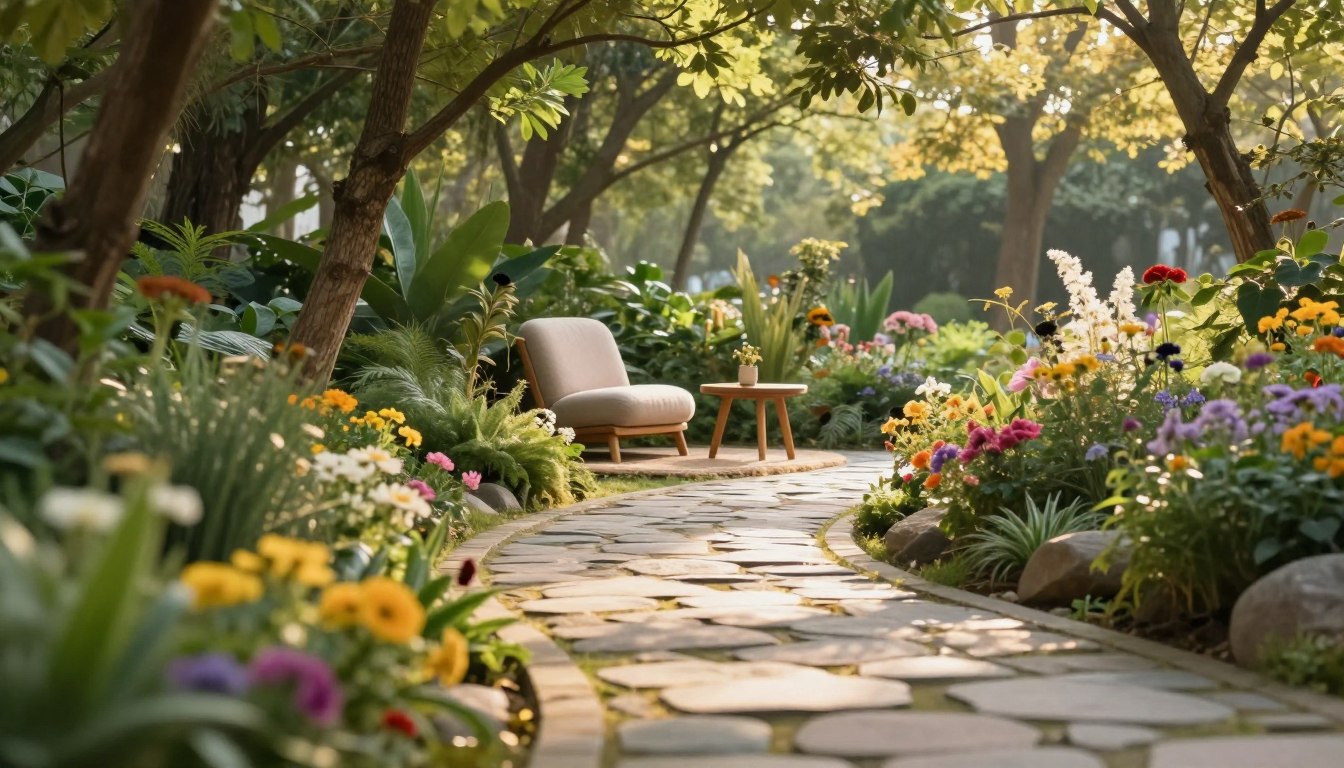
Can a well-designed space truly impact your mental well-being? Research suggests that the environment around us plays a significant role in shaping our mood, productivity, and overall sense of calm.
Crafting a peaceful living space is about more than just aesthetics; it’s about creating an environment that nurtures your well-being. By incorporating principles of mindful living, you can transform your home into a serene oasis that promotes relaxation.
A well-designed space can have a profound impact on your mental health. By understanding the principles of mindful living path design, you can create a space that fosters a sense of calm and tranquility.
Key Takeaways
- Create a peaceful living space that promotes relaxation
- Incorporate principles of mindful living into your home design
- Transform your home into a serene oasis
- Foster a sense of calm and tranquility
- Nurture your well-being through environment design
Understanding the Foundations of Mindful Living Path Design
Mindful living path design is more than just a concept; it’s a pathway to transforming your living space into a sanctuary. This approach to designing your home environment focuses on creating a harmonious and calming atmosphere that promotes mental well-being.
To delve deeper into the concept, let’s first understand what mindful living path design really means. It’s about intentionally designing your living space to foster a sense of peace and tranquility. This involves being mindful of every element, from the layout of your furniture to the colors on your walls.
What Mindful Living Path Design Really Means
Mindful living path design is rooted in the principles of mindfulness, which emphasize being present in the moment and fully engaging with your surroundings. It’s about creating a space that encourages you to slow down and appreciate the beauty around you.
By incorporating elements of nature and using natural materials, you can create a sense of connection to the outdoors. This can be achieved through the use of biophilic design elements, such as plants, natural textures, and earthy colors.
The Connection Between Your Physical Space and Mental Well-Being
The physical space you inhabit has a profound impact on your mental well-being. Cluttered and disorganized spaces can lead to feelings of anxiety and stress, while calm and organized environments can promote relaxation and peace.
| Environmental Factor | Impact on Mental Well-being |
|---|---|
| Clutter | Increases stress and anxiety |
| Natural Light | Boosts mood and energy levels |
| Calming Colors | Promotes relaxation and reduces stress |
Understanding this connection is crucial for making informed design choices that support your mental health. By creating a space that is both beautiful and functional, you can enhance your overall well-being.
Why Intentional Design Creates Lasting Peace
Intentional design is about making deliberate choices that align with your values and goals. In the context of mindful living path design, this means creating a space that not only looks beautiful but also supports your mental and emotional well-being.
By being intentional with your design choices, you can create a sense of lasting peace in your home. This involves considering every aspect of your space, from the layout to the decor, and ensuring that each element contributes to a sense of calm and tranquility.
For those interested in exploring more about mindful living and its practices, there are numerous holistic living blogs and resources available online that offer guidance and inspiration. Engaging in mindfulness practices online can also provide valuable insights and techniques for enhancing your mindful living path design.
Assessing Your Current Space and Setting Your Peaceful Intentions
To design a space that fosters peace and tranquility, you must first evaluate your current living environment. This assessment is crucial in identifying areas that need improvement and understanding how your space impacts your well-being.
As noted by interior design experts, “The way we live affects how we feel, and how we feel affects how we live.” This underscores the importance of creating a space that supports your mental and emotional health.
Step 1: Conduct a Mindful Walk-Through of Your Home
Begin by taking a slow, intentional walk through your home. Pay attention to how you feel in each room, noticing the sensations, sights, and sounds. This mindful walk-through is a powerful exercise in awareness, helping you identify what brings you peace and what causes stress.
As you walk through your home, ask yourself: “What are the first things I notice? Are there any areas that feel cluttered or overwhelming?” These observations will be invaluable as you start to design your peaceful sanctuary.
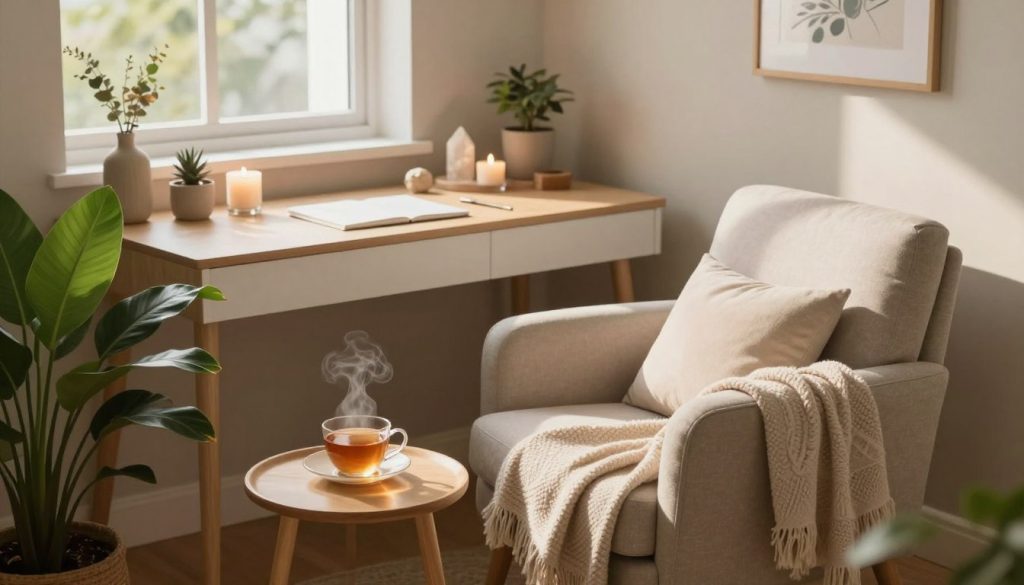
Step 2: Identify What Drains Your Energy
During your walk-through, make a note of anything that drains your energy. This could be clutter, harsh lighting, or even certain colors. Identifying these elements is crucial because they can significantly impact your mood and overall sense of well-being.
Consider the impact of technology on your space. For instance, having multiple TVs or computers in the home can create a sense of chaos. Simplifying your technology use can be a significant step towards creating a more peaceful environment.
Step 3: Define Your Vision for a Peaceful Sanctuary
Once you’ve identified the areas that drain your energy, it’s time to define your vision for a peaceful sanctuary. Think about what you want to feel when you’re in your home. Do you want to feel calm, energized, or inspired? Your vision will guide your design decisions, ensuring that your space supports your well-being.
To create a truly peaceful space, consider incorporating mindful living resources and wellness design tips. This might include bringing in natural elements, using calming colors, or creating dedicated spaces for mindfulness practices.
By following these steps, you’ll be well on your way to creating a home that not only looks beautiful but also nurtures your mind, body, and spirit.
Core Principles of Mindful Living Path Design
At the heart of mindful living path design are three core principles: simplicity, biophilia, and intentionality. These elements work together to create a peaceful and calming environment that fosters mindfulness and tranquility.
Step 4: Embrace Simplicity and Remove Excess
Embracing simplicity is about creating a space that is free from clutter and unnecessary distractions. By removing excess, you can focus on what truly matters and cultivate a sense of calm. Start by decluttering your space, and consider the importance of each item before deciding whether to keep or discard it.
- Begin with one area at a time to avoid feeling overwhelmed.
- Sort items into categories (e.g., keep, donate, discard).
- Be mindful of your attachment to certain items and let go of those that no longer serve a purpose.
Step 5: Bring Nature Indoors with Biophilic Elements
Bringing nature indoors is a key aspect of mindful living path design. Biophilic elements, such as plants, natural light, and organic materials, can help create a sense of connection to the natural world. Consider incorporating elements like a living wall or a botanical garden into your space.
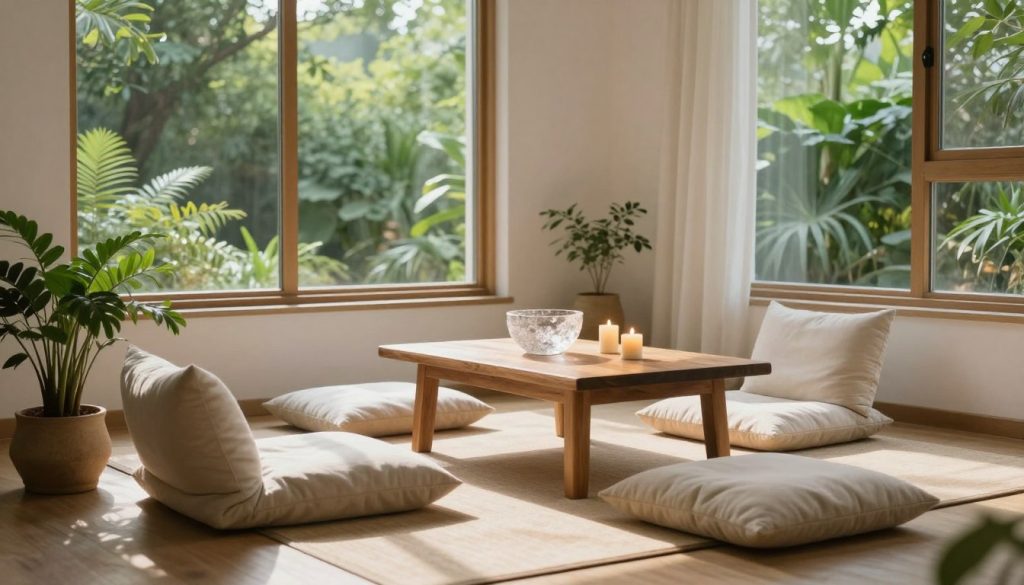
Step 6: Design Dedicated Zones for Mindfulness Practices
Designing dedicated zones for mindfulness practices can help you cultivate a deeper sense of peace and calm. Consider creating areas for meditation, yoga, reading, and journaling.
Creating Your Meditation and Reflection Area
A meditation and reflection area should be quiet, calm, and free from distractions. Consider using calming colors and soothing textures to create a peaceful atmosphere.
Establishing a Movement and Yoga Space
A movement and yoga space should be designed to promote flexibility and relaxation. Consider using a mirrored wall and a high-quality yoga mat to enhance your practice.
Setting Up a Reading and Journaling Nook
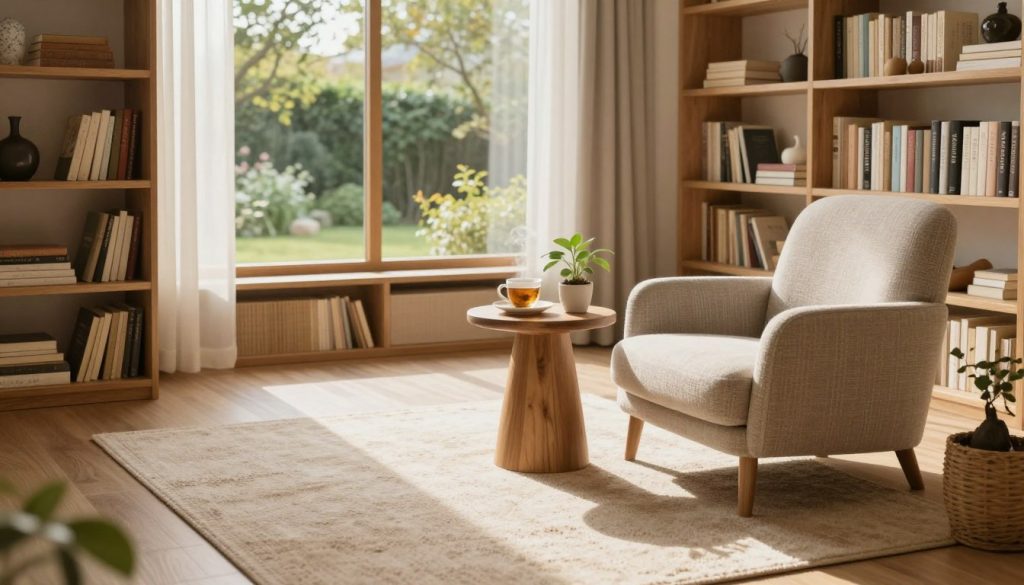
A reading and journaling nook should be cozy and inviting. Consider using comfortable seating and soft lighting to create a relaxing atmosphere.
Bringing Your Design Vision to Life: Practical Implementation Steps
Now that we’ve explored the foundations of mindful living path design, let’s dive into the practical implementation steps. With a clear plan, you can transform your space into a serene oasis that nurtures your well-being.
Step 7: Declutter with Intention and Gratitude
Begin by decluttering your space with intention and gratitude. This process involves more than just removing unwanted items; it’s about creating a space that reflects your values and supports your mindfulness journey. Start by acknowledging each item, and then decide whether it serves a purpose or brings you joy. Consider using a mindfulness journey planner to document your progress and reflect on your intentions.
- Sort items into categories (e.g., keep, donate, recycle, discard).
- Handle each item mindfully, making conscious decisions.
- Celebrate your progress and acknowledge the items you choose to keep.
Step 8: Choose Calming Colors, Textures, and Materials
The aesthetic elements of your space play a significant role in creating a peaceful atmosphere. Choose calming colors, textures, and materials that promote relaxation and serenity.
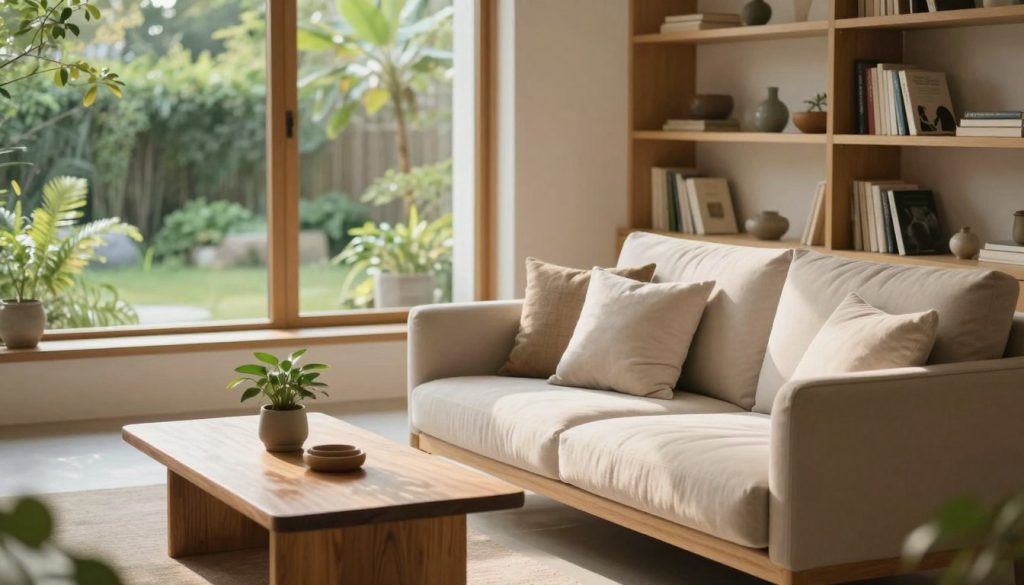
- Soothing color palettes that evoke feelings of calmness.
- Natural textures such as wood, stone, or plants.
- Soft, comfortable materials for furniture and decor.
Step 9: Arrange Your Space for Natural Flow and Harmony
The arrangement of your space can significantly impact the flow of energy and overall harmony. Create a layout that promotes natural movement and balance.
- Assess the room’s layout and identify areas for improvement.
- Use furniture to create pathways and define different zones.
- Balance elements to achieve a sense of harmony and visual appeal.
Step 10: Engage All Five Senses in Your Design
To create a truly immersive and mindful living space, engage all five senses in your design. This can be achieved by incorporating elements that stimulate sight, sound, touch, taste, and smell.
- Visual: Use calming colors and natural light.
- Auditory: Incorporate soothing sounds or music.
- Tactile: Include a variety of textures and comfortable seating.
- Olfactory: Use aromatherapy or scented candles.
- Gustatory: Create a space for mindful eating or tea ceremonies.
Nurturing Your Peaceful Space Through Daily Practice
Creating a peaceful oasis in our homes is just the beginning; nurturing it is a continuous process. To truly reap the benefits of a mindful living space, we must commit to its upkeep through daily rituals and seasonal adjustments. This ongoing practice not only maintains the serenity of our environment but also deepens our connection to it.
By incorporating daily rituals, we honor our space and reinforce its purpose as a sanctuary. Simple acts like lighting a candle, practicing yoga, or enjoying a cup of tea in a designated area can become meaningful rituals that enhance our mindful living practice.
Building Daily Rituals to Honor Your Space
Establishing daily rituals is a powerful way to nurture your peaceful space. Consider starting your day with a short meditation session or a mindful breathing exercise in a dedicated corner of your home. This practice sets a positive tone for the day and strengthens your connection to your space.
Other rituals might include journaling, reading, or simply taking a moment to appreciate the beauty around you. The key is to find activities that resonate with you and make them a consistent part of your daily routine.
Adapting Your Design with the Seasons
As the seasons change, our needs and preferences often shift as well. Adapting your space to reflect these changes can help maintain its relevance and keep it feeling fresh and inviting. For example, you might incorporate lighter colors and fabrics during the spring and summer, while opting for warmer tones and textures in the fall and winter.
This seasonal adjustment can be as simple as rearranging furniture, adding seasonal decor, or introducing plants that thrive during the current season. By doing so, you keep your space dynamic and engaging, ensuring it remains a source of comfort and peace throughout the year.
Recognizing When Your Space Needs to Evolve
It’s essential to be attuned to your space and recognize when it needs to evolve. This might be prompted by changes in your personal life, shifts in your work routine, or simply a growing sense of discomfort with the current arrangement.
Listening to your intuition and being open to change allows you to refine your space to better meet your needs. This might involve decluttering, reorganizing, or introducing new elements that enhance the space’s functionality and aesthetic appeal, further supporting your mindful living journey.
Conclusion
By embracing mindful living path design, you can transform your living space into a sanctuary of peace and harmony. This journey involves understanding the foundations of mindful design, assessing your current space, and implementing practical steps to create a calming environment.
As you’ve learned, it’s essential to simplify your space, bring in natural elements, and create dedicated zones for mindfulness practices. By doing so, you’ll cultivate a deeper sense of calm and clarity in your daily life.
Now, it’s your turn to start this mindful living journey. Begin by applying the principles outlined in this article, and watch your space transform into a haven of serenity. With mindful living path design, you’ll be well on your way to creating a more peaceful and harmonious you.